Why Powell River General Contractor Delivers Long-Lasting Results
Ways to Choosing the Perfect General Contractor for Your Next Home Project
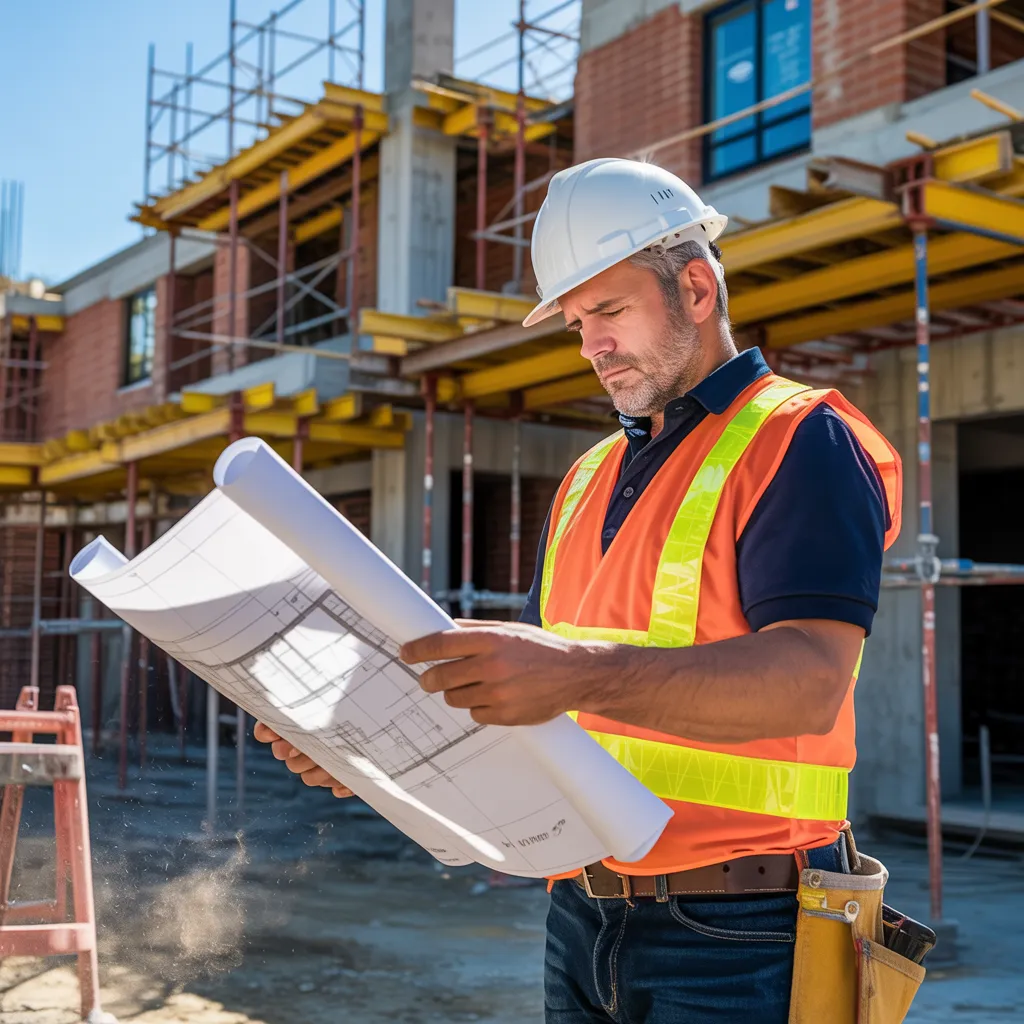
Selecting an appropriate construction professional for a home project is a critical choice. This demands careful consideration of various factors, such as experience, qualifications, and ability to communicate. Numerous property owners miss important details, resulting in expensive errors. Understanding how to assess potential contractors can create substantial impact. By focusing on essential criteria and asking the right questions, one can manage this complex process more successfully. What are the key steps to ensure a productive working relationship?
How to Steer Clear Of Regular Problems When Hiring a Construction Professional
When choosing a professional, how can one deal with the wide array of alternatives without making typical mistakes? Prospective clients often neglect crucial elements that can bring about unsatisfactory outcomes. First, considering price alone can be misleading; the cheapest offer may indicate subpar quality or additional charges. Additionally, failing to examine referrals or internet feedback can result in engaging an untrustworthy builder. It is also necessary to avoid deciding only on likability; a personable contractor may not have the right qualifications or dependability. Moreover, not setting clear communication and goals can result in conflicts and unhappiness. Finally, skipping detailed contract reviews before committing can bring about unanticipated duties or weak protections. By being alert and aware, homeowners can make smarter selections, in the end creating a triumphant project.
Information to Review About a Contractor's Work History
When evaluating a contractor background, several key factors factor in. Project experience in related fields, industry certifications, and an extensive collection of finished projects serve as key measures of their abilities. Assessing these elements can provide valuable insights into the contractor's suitability for the particular job at hand.
Applicable Project Background
Knowing a contractor's relevant experience is indispensable for ensuring the success of any building endeavor. Interested parties clients should evaluate the contractor's works, zeroing in on completed projects similar in scope and style to their own. This involves reviewing examining the superiority of construction work, compliance with to timelines, and budget management in previous undertakings. Additionally, it is valuable to inquire about the assortment of materials applied and the contractor's acquaintance with local building codes and regulations. Testimonials and references from bygone clients can provide insights into the contractor's reliability and interpersonal skills. To sum up, a contractor with substantial fitting experience can surmount challenges effectively, ensuring the project meets the homeowner's expectations and expectations.
Industry Credentials And Licenses
Certification and licensing serve as essential indicators of a contractor's professional competence and skill in the construction industry. When choosing a general contractor, it is crucial to confirm that they possess the required permits mandated by local and state regulations. These licenses demonstrate compliance with building codes and safety standards. Additionally, industry certifications, such as those from the National Association of Home Builders or similar organizations, indicate a contractor's dedication to quality and ongoing education. Contractors with specialized certifications may also have skills in specific areas, such as green building or remodeling. Ensuring that a contractor has the appropriate credentials not just improves confidence in their capabilities but also reduces potential legal and financial risks during the project.
Portfolio Of Executed Work
A builder's portfolio containing completed work functions as an essential asset for evaluating their experience and competencies. This set ought to showcase a range of projects, demonstrating diverse skills in multiple styles and complexities. When analyzing a portfolio, potential clients should look for high-quality photographs that clearly show the skill involved. It is also useful to view projects that correspond to the homeowner's exact needs or visual inclinations. Attention to detail, inventive solutions, and adherence to timelines are essential indicators of a contractor’s skill. Additionally, client feedback or case studies in the portfolio can give more detailed insights into the contractor's work ethic and trustworthiness. Ultimately, a comprehensive portfolio helps homeowners take knowledgeable decisions regarding their forthcoming projects.
How to validate Your Contractor Qualifications and Licenses
Checking a general contractor's qualifications and certifications is essential before hiring them to ensure they satisfy industry standards. Commence by reviewing with regional licensing authorities that the contractor possesses the required permits applicable to your area and project type. Since each state enforces distinct requirements, knowing these can avert future problems.
In addition, question about insurance coverage, including liability and workers' compensation, to guarantee defense against potential accidents or damages. Collect references from past clients and follow up to evaluate satisfaction and consistency.
Ultimately, check any certifications the contractor may obtain, as these often show professional development and commitment to industry best practices. A complete assessment process not only assures compliance but also fosters trust in the contractor's ability to complete the project successfully.
Why Regular Communication Is Critical in Your Construction Professional Collaborative Relationship
Strong communication plays a vital role in the contractor-client relationship, shaping the project's achievement from day one. Open dialogue establishes expectations, timelines, and budgets, guaranteeing both parties are aligned on the project's goals. When clients express their vision with clarity, contractors can present informed suggestions and solutions, enhancing the overall outcome.
Regular updates and open avenues of dialogue allow efficient resolution of matters as they occur, limiting potential delays. Furthermore, a partner who receives and acts on customer input fosters confidence, which is indispensable for collaboration.
Moreover, robust communication assists in addressing alterations and surprise difficulties, ensuring the initiative on course. It allows the construction professional to modify methods based on client input, ensuring satisfaction across all phases. In the end, emphasizing communication not only reinforces the builder-customer connection but also significantly aids in the successful completion of the home renovation.
Key Questions to Raise to Your Contractor in Opening Appointments
In first meetings with a contractor, clients should focus on understanding their background and qualifications. It's essential to ask about the project timeline and budget to confirm alignment with the client's requirements. These questions form a foundation for a effective partnership and efficient project management.
Experience and Expertise
Choosing a main builder copyrights on grasping their expertise and qualifications. Homeowners should request information on the contractor's years in the industry and the variety of assignments they have undertaken. Important questions about licenses, official qualifications, and insurance are vital, as these confirm compliance with local regulations and offer safety throughout the work. Furthermore, reviewing past work through portfolios or references can provide a perspective into the contractor's ability and trustworthiness. It is also useful to query about their knowledge with similar projects, as this can indicate their capability to face particular obstacles. Ultimately, judging a contractor's experience and qualifications inspires assurance and helps homeowners decide wisely about their home renovations.
Project Timeline and Expenditure
How can property owners ensure their undertaking stays on track financially and in terms of timing when consulting with a general contractor? To preserve consistency, they should ask important questions during initial meetings. Homeowners must ask regarding the estimated timeline for project completion and any potential delays that could arise. Comprehending the contractor's approach to schedule management is essential. Additionally, discussing the budget upfront is vital; homeowners should seek clarity on cost estimates, payment schedules, and any included contingencies for unexpected costs. Asking about previous projects can offer understanding into the contractor's dependability in meeting deadlines and staying within budget. By establishing clear communication regarding timelines and finances, homeowners can cultivate a collaborative partnership with their contractor, improving the probability of a completed project that meets expectations.
Suggestions for Checking References and Studying Evaluations
What tactics should one take to assure a general contractor is consistent? First, it is essential to seek a list of sources from potential contractors. A distinguished contractor will readily deliver names and contact information of previous clients. One should connect with these references to explore their experiences, zeroing in on aspects such as messaging, work standards, and deadline adherence.
Additionally, reading online reviews on platforms like Google, Yelp, or Angie's List can provide valuable insights. It is important to look for associated article patterns in the reviews—consistent praise or criticism can suggest reliability or potential issues.
Moreover, looking for any issues lodged with local regulatory agencies or consumer protection agencies can expose a contractor's track record. Finally, requesting recent project photos can assist in assessing the quality of their services. By implementing these steps, one can make a more educated decision when hiring a building contractor.
Understanding Contractor Rates and Financial Terms
Homeowners should also learn about common payment terms. Most contractors need a deposit upfront, accompanied by installment-based payments based on project milestones. It's important to go over these terms before finalizing an agreement to dodge disagreements. Additionally, homeowners should question about extra charges, such as permits or unexpected repairs. Transparent communication about pricing and payment terms will build a genuine operational partnership, ultimately resulting in a successful project outcome. Mastering these elements enables homeowners the power to choose effectively when selecting a general contractor.
Often Asked Frequently Asked Questions
What is the timeline for completing this project?
Project timelines often vary with the scope and complexity. Generally speaking, you should expect several weeks to months for finishing the work. Weather, material sourcing, and labor supply can heavily affect the final timeline.
What Takes Place if Unforeseen Issues Arise During Project Work?
If unexpected issues arise during building, the builder usually evaluates the circumstances, discusses with the property owner, and suggests remedies. Adjustments to the schedule and budget may be required, ensuring transparency throughout the process.
Is My Project Going to Require Permits or Inspections?
The majority of initiatives need permits and inspections to assure compliance with local building codes. It is vital to engage a general contractor who understands these requirements, as they can navigate the permitting process skillfully.
What Is Your Method to Handling Subcontractors and Payment Distribution?
A trustworthy general contractor manages subcontractors by establishing explicit agreements outlining payment terms. They ensure timely payments, keep transparent dialogue, and track subcontractor performance, fostering a collaborative environment that aids in successful project completion and productivity.
What Is Your Approach on Project Modifications or Enhancements?
A versatile methodology to alterations in scope is upheld by the contractor, requiring formal records for any upgrades. They guarantee open dialogue, examine cost implications, and adjust timelines as needed to support the client's evolving needs and choices.